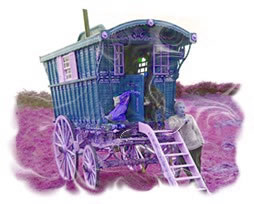
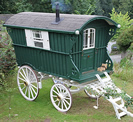
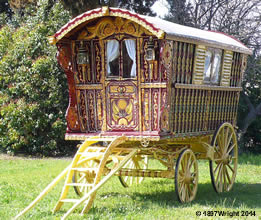
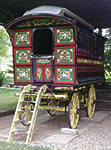
A Fine 1916 Dunton Reading ValleyStream©
Relic of the Golden Days UnKn ©
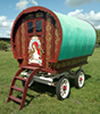
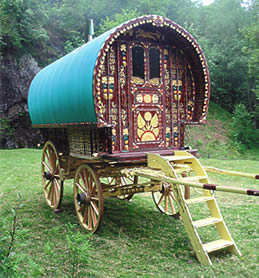
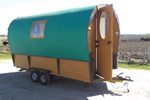
A Traditional Northern Bowtop J Pockett ©
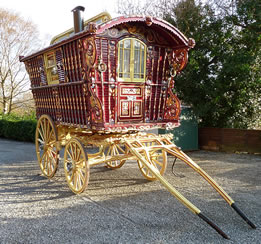
What is a Vardo?
For the novice it's Romani chib for living wagon, or, in plain English, a Gypsy caravan.
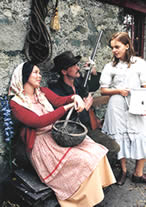
In Britain we imagine the traditional Romany home to be a gaily decorated wooden caravan pulled along by a plodding horse. But in reality caravans have only been used by Romanies for 150 years. Before that time, they walked on foot, used carts to convey their possessions, and slept in tents. Waggons built to live in developed about 1810 in France and were soon used in England by showmen travelling with fairs and circuses. Romanies only began living in vans about 1850. They called their home a "vardo", and it became their most prized possession. Later on, they even took over many straight-sided showman waggons.
 Monuments on Wheels
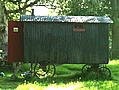
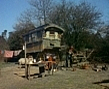
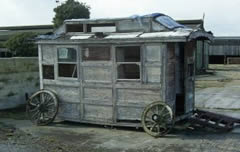
Sadly, today very few original vardos have survived the evolution of time. Wear n tear, scrap yard mentality, the great British woodworm, and the worst culprit of all - the weather - are mostly responsible for the vardos near-extinction. Let's also not forget the ones used in gardens as plant pots - pretty perhaps but they need maintaining, otherwise they end up like this one.
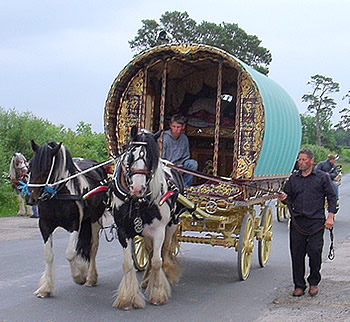
However it's not all doom and gloom - fortunately, there's a steady revival taking place in the UK, with an upturn in interest once more in Gypsy caravans.
The few remaining original "lucky" waggons are safely in private collections or museums, either fully restored or under restoration.
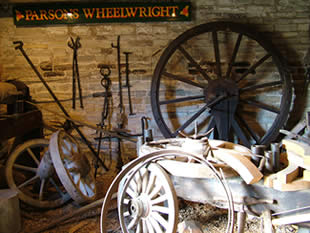
Also, a new generation of wagon builders and painters are up and coming, attempting to replicate the craftsmanship and construction of past masters, often working to original plans and designs.